What’s the Difference Between Free EC and Certified EC 2026?
When dealing with property transactions, especially in Tamil Nadu, one of the key documents you may need is the Encumbrance Certificate (EC). This certificate verifies the ownership and legal status of a property, showing all registered transactions against it over a specified period.
However, there are two types of Encumbrance Certificates available through the TNREGINET portal:
- Free EC
- Certified EC
Both serve the purpose of property verification, but they have different uses, legal standing, and purposes. Let’s break down the differences between the Free EC and the Certified EC.
Free EC
What is a Free EC?
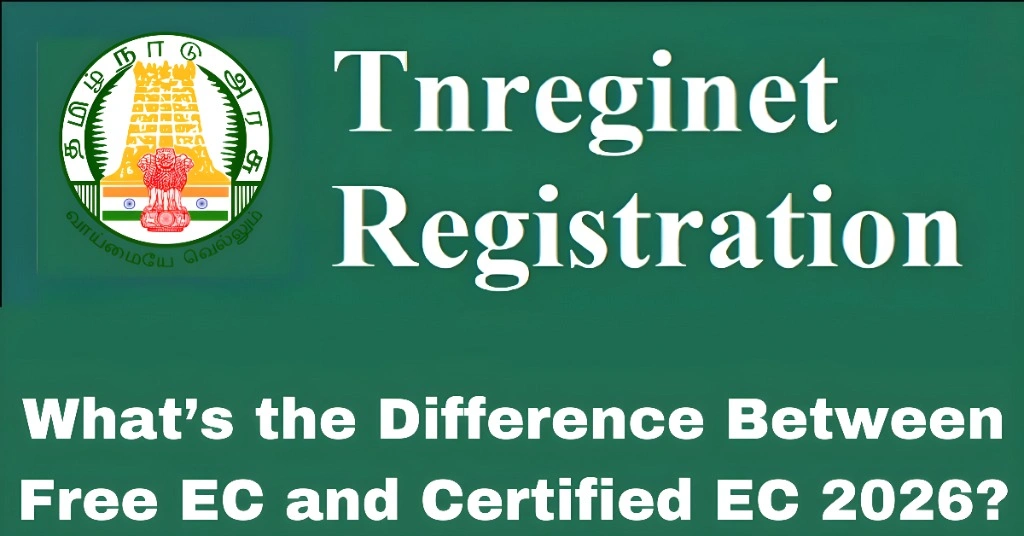
A Free EC is a preview of the Encumbrance Certificate available online through the TNREGINET portal. It’s the initial view of the EC that is accessible without any cost, and it provides basic information about the property’s transactions during a specified period.
Key Features of Free EC:
Basic Information: A Free EC shows the transaction history, including sale deeds, mortgages, and other encumbrances recorded against the property.
For Personal Use: It is useful for personal reference and preliminary checks to verify the property’s legal status.
No Official Use: A Free EC is not accepted for legal or official purposes, such as applying for a home loan, property registration, or submitting in a court case.
Why Use a Free EC?
Quick Access: If you just need a basic overview of the property’s transactions and ownership history, the Free EC is convenient.
Preliminary Verification: Before making a property purchase or applying for a loan, the Free EC can help you understand the history of the property, but it’s not enough for finalizing the transaction.
Certified EC
What is a Certified EC?
A Certified EC is an official, digitally signed copy of the Encumbrance Certificate issued by the Tamil Nadu Registration and Stamps Department. Unlike the Free EC, a Certified EC has legal validity and is recognized for official purposes.
Key Features of Certified EC:
Legally Valid: A Certified EC is digitally signed and can be used for official purposes, such as applying for a home loan, completing property registration, or presenting in court.
Officially Stamped: The Certified EC contains the official stamp and is considered an authentic document for legal and property-related transactions.
Payment Required: You must pay a small fee for a Certified EC, which is processed and provided by the TNREGINET portal. This ensures that the certificate is authenticated and officially recognized.
Why Use a Certified EC?
Official Documentation: If you are applying for a home loan or mortgage, or need the certificate for property registration or legal proceedings, the Certified EC is required.
Bank or Financial Institution Requirement: Banks and lenders only accept a Certified EC as it verifies the legitimacy of property ownership and checks for any liens or mortgages.
Key Differences Between Free EC and Certified EC
| Aspect | Free EC | Certified EC |
|---|---|---|
| Cost | Free | Paid (requires a nominal fee) |
| Official Use | Not legally accepted for official purposes | Legally valid for official use |
| Authenticity | Unauthenticated, preview version | Digitally signed and officially stamped |
| Purpose | Personal reference and preliminary checks | Legal and official property transactions |
| Document Type | Viewable online without payment | Certified by the TNREGINET portal |
| Usage for Home Loans | Not accepted for loan applications | Accepted for loan processing and registration |
| Usage for Property Registration | Not accepted for registration | Required for registration and legal purposes |
| Usage for Legal Disputes | Not valid for legal disputes | Can be used in legal proceedings |
When Should You Use a Free EC?
Initial Property Checks: If you’re just starting the property verification process and want to get an idea of the property’s ownership history and transaction details, the Free EC is a good starting point.
Before Proceeding with a Sale: If you’re unsure whether the property has clear title or has any outstanding encumbrances, a Free EC can help you identify potential issues before making a commitment.
Limitations of Free EC:
Not legally binding: It is not enough to proceed with loan applications, registration, or property dispute resolutions.
No certification: It lacks authentication from the government, so it can’t be submitted to banks, courts, or government departments for official transactions.
When Should You Use a Certified EC?
Home Loan or Mortgage: Banks and financial institutions always require a Certified EC when you are pledging property as collateral for a loan. They use the Certified EC to ensure the property is free from legal disputes or financial encumbrances.
Property Registration: If you’re buying or selling property, you need to submit a Certified EC to the Sub-Registrar Office (SRO) during the registration process.
Legal Proceedings: In case of property disputes or litigation, a Certified EC can be used as evidence to prove ownership and verify the property’s transaction history.
Advantages of Certified EC:
Legally recognized: It is a valid, legally accepted document for transactions and legal matters.
Bank and Government Use: It is the only EC accepted for mortgage registration, home loan applications, and property sales/purchases.
How to Download Both Free EC and Certified EC from TNREGINET
Steps to Download Free EC:
Visit the TNREGINET Portal: Go to www.tnreginet.gov.in.
Login to Your Account: Enter your username and password to access the portal.
Go to ‘E-Services’: Navigate to the “Encumbrance Certificate” section.
Enter Property Details: Input the survey number, district, SRO, and date range.
Click ‘Search’: The Free EC will be displayed on the screen.
Download: You can download and save the EC as a PDF for personal reference.
Steps to Download Certified EC:
Follow the same steps to search for the EC.
Once you see the EC, click on “Request Certified Copy”.
Pay the Fee: Pay the required fee for certification.
Download the Certified EC: After processing, the Certified EC will be available for download, and it will be digitally signed and authenticated.
You can also read: How to Use TNREGINET for Property Verification in Tamil Nadu
FAQs
Final Words
Understanding the difference between Free EC and Certified EC is crucial for navigating property transactions in Tamil Nadu. While the Free EC is useful for personal reference and preliminary checks, the Certified EC holds legal value and is necessary for completing real estate transactions, loan applications, and legal proceedings. Always ensure you have the correct version of the EC for your specific needs, and follow the simple steps on TNREGINET to download and use these documents efficiently.