TNREGINET EC View vs Certified EC: What’s the Difference?
If you’re dealing with property transactions in Tamil Nadu, you’ve likely come across the term Encumbrance Certificate (EC). The TNREGINET portal offers two main types of ECs — the EC View and the Certified EC. While both serve to verify property ownership and history, they are used for different purposes. In this article, we’ll explain the differences between these two types of ECs, and when you should use each.
What is an Encumbrance Certificate (EC)?
An Encumbrance Certificate (EC) is an official document that provides a history of a property’s transactions. It shows whether the property is free from legal liabilities or if it has any mortgages, loans, or claims on it. This certificate is crucial for property buyers, sellers, and financial institutions to ensure the property is legally clear for sale or loan purposes.
You can also read:How to Check Your TNREGINET Sub-Registrar Office Details 2026
TNREGINET EC View
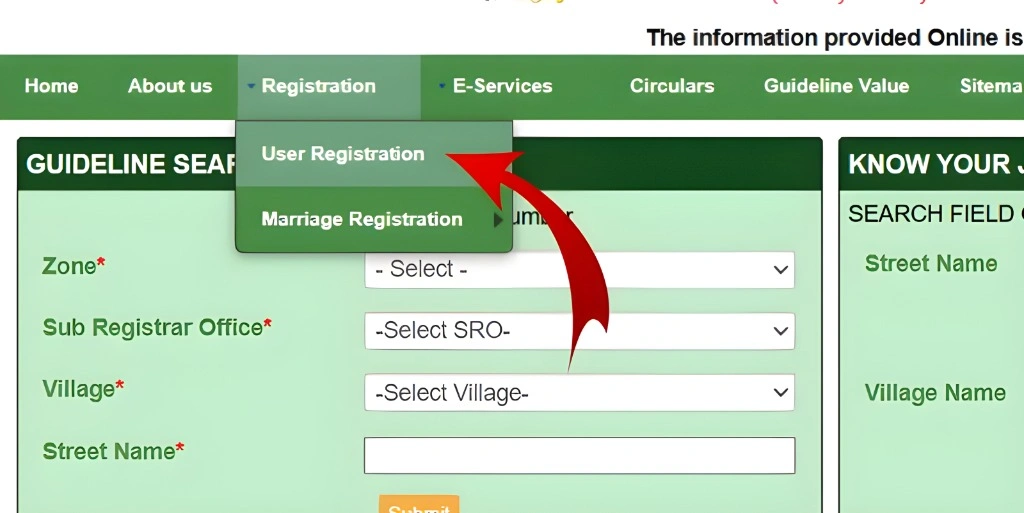
The EC View is the free, online version of the Encumbrance Certificate available on the TNREGINET portal. It’s typically used for quick reference and can be accessed by anyone who has basic details about the property.
Features of EC View:
Free and Easy Access: You can view the EC online without paying any fees.
Available to Everyone: Anyone with the necessary details, such as the property’s survey number or document number, can access this.
Non-Legal Document: The EC View is not considered an official or legally valid document for all purposes. It’s useful for checking property history quickly but cannot be used for official or legal transactions like applying for a loan.
When to Use EC View:
Preliminary Checks: Use it when you want to quickly check if there are any encumbrances on a property before buying or selling.
Quick Reference: If you simply need to view the EC for informational purposes, without needing an official copy.
Certified EC
A Certified EC is a legal and official document that is provided by the Sub-Registrar Office (SRO) after your application is processed. It’s the final version of the EC that can be used for all legal transactions and purposes, including property registration, loan applications, and court proceedings.
Features of Certified EC:
Official Document: A Certified EC is legally accepted by banks, courts, and other authorities as proof of property ownership and transaction history.
Requires Payment: Unlike the EC View, you need to pay a fee to obtain a Certified EC.
Signed and Stamped: The Certified EC is issued with the signature and seal of the Sub-Registrar, making it a legally binding document.
Certified Copy of the Record: It is a certified copy of the property’s transaction history and is useful in legal and financial matters.
When to Use Certified EC:
For Loan Applications: You’ll need a Certified EC when applying for a home loan or mortgage from a bank or financial institution.
Property Transactions: If you’re selling or transferring property, you’ll need a Certified EC to verify ownership and encumbrances.
Legal Purposes: In case of disputes, court cases, or legal documentation, a Certified EC is required as evidence of property ownership and history.
Key Differences Between EC View and Certified EC
| Cost | Free | Paid (requires a fee for processing) |
| Legality | Non-legal, for reference only | Legal, accepted for official purposes |
| Access | Available online to everyone | Issued by the Sub-Registrar with authentication |
| Official Use | Not for official/legal use | Required for legal transactions, loans, etc. |
| Verification | Unverified, online view | Verified with signature and seal from SRO |
| Processing Time | Instant access | Takes 7–10 working days (varies by request) |
How to Get a Certified EC on TNREGINET?
Why Do You Need to Choose Between EC View and Certified EC?
For Quick Information: If you simply need to verify the property’s transaction history or check for encumbrances, the EC View is a great starting point. It’s free and easy to access.
For Legal and Financial Transactions: If you’re applying for a loan, registering a property, or need a legally binding document for court cases or disputes, you’ll need a Certified EC.
FAQs
Final Words
Understanding the difference between EC View and Certified EC is crucial when handling property transactions in Tamil Nadu. While the EC View is great for quick checks, the Certified EC is the official document you need for legal and financial purposes. Always ensure you know which type of EC you need before proceeding with your property-related tasks to avoid delays and complications.